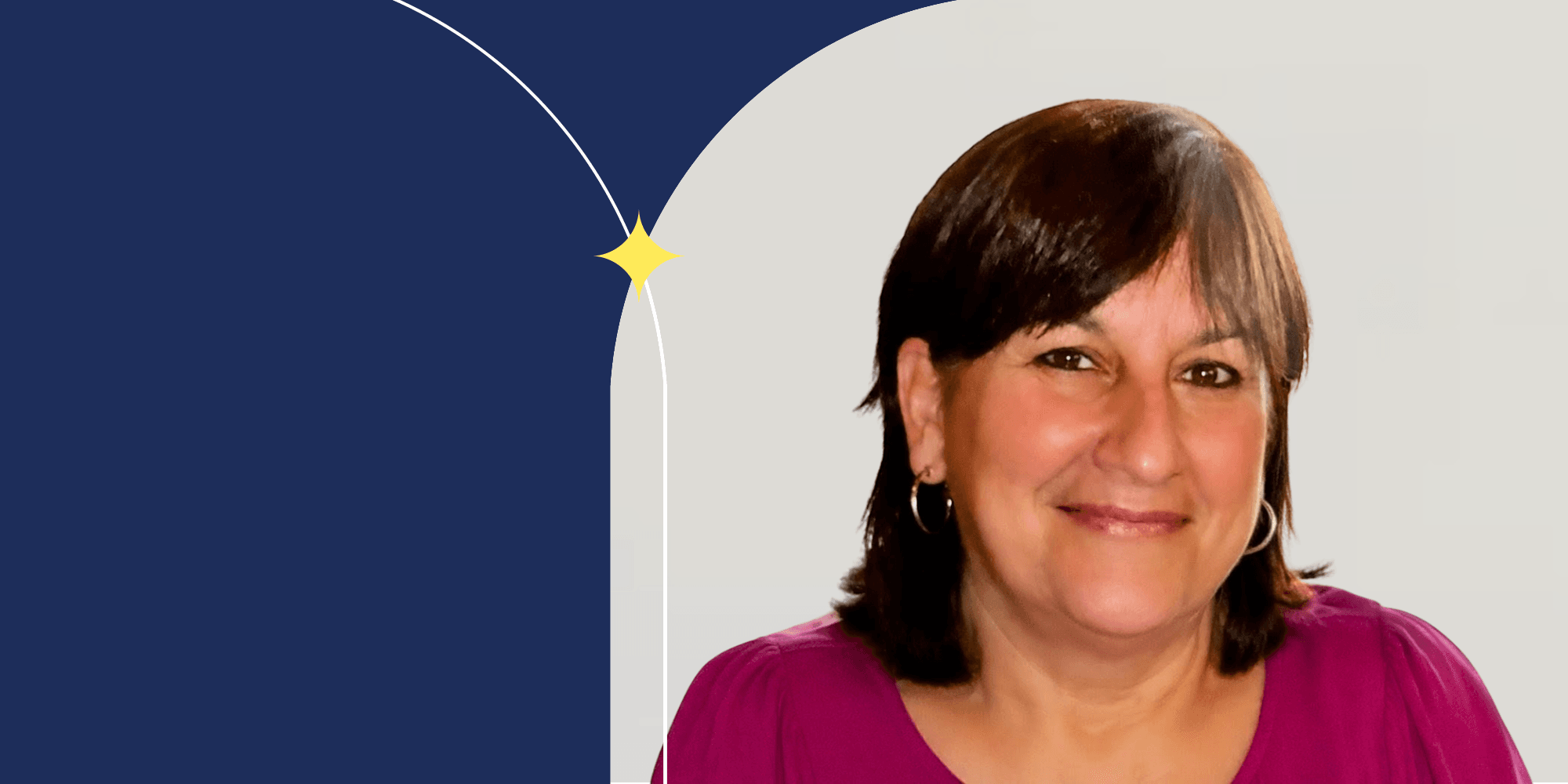
For more than three decades in leadership—and the last five years leading global mainframe services delivery at Ensono—Bridget Spellman has built her career around a simple principle: Trust people first.
Today, she oversees a global organization of more than 700 employees supporting clients across the U.S., India, the U.K., Poland, Singapore, and Brazil. While the scale of her role is immense, her leadership philosophy remains deeply personal. Whether she's mentoring women in tech, helping new leaders find their footing, or supporting team members through life's challenges, Spellman believes that strong leadership starts with curiosity, empathy, and genuine human connection.
"I pride myself on trusting people until they prove to me that I shouldn't," she tells The Muse. It's a mindset that has helped her foster strong relationships across teams while avoiding the pitfalls of micromanagement. “There is a high level of trust and respect between my team and me.”
Another guiding principle comes from an unexpected source: Ted Lasso.
"Be curious and not judgmental," she says—a lesson she believes helps leaders better understand others, build empathy, and create environments where people and organizations can thrive.
We caught up with Spellman, who reflected on the leadership lessons she's learned throughout her career, the importance of supporting employees as whole people, and the career mistakes that ultimately helped shape her leadership style.
How would you describe your leadership style?
I've been in leadership roles for more than 30 years, and my approach has evolved tremendously since I started. My first leadership role was at IBM … I was young, and I was leading a group of very experienced people. I made sure to listen and hear what people needed from their leader, and I learned how to work with different people.
I have evolved with each role I have taken since, and I have had my fair share of bumps. I always tell others to take advantage of those early positions because you can make mistakes and learn from them—and really soak up any and all information and advice you can. The higher up you go, the harder it is to do that. As you rise to higher ranks, you are expected to know how to do things. An early mentor gave me this advice.
What's the No. 1 thing you hope your direct reports are getting out of working with you?
I hope that they think I am a decent leader and that there are things they can learn from me. I aim to help other leaders grow. If I can teach them something, if they can pick up any of my strengths, I’m happy to share.
I also hope they know I care tremendously about people and want them to be their full person, not just an Ensono person. If they do, I feel like I have done a good job as a leader.
How do you make sure your direct reports feel supported both in and out of the office?
Back in the day, when I had smaller teams, I made it a point to know everybody’s spouse’s name, their kids, or something else about them. It’s now harder with more than 700 people reporting to me, but for my direct reports, I make sure to know who they are outside of Ensono.
It’s not just about what they do at work. I take mental note of when and where they are going on vacation, if they mentioned their dog is sick, if they are caring for ailing parents, or what is happening with their kids. Letting people know that you care about them, you are interested in their lives, and you actually care to remember what they have going on goes a long way.
For me personally, it means a lot when someone does the same, so I make sure to do that for the people who work for me.
While building your team, what did you learn that surprised you most?
As a leader of leaders, it all comes down to picking the right people to help sustain and grow the organization. I like to follow my gut about people, and it rarely has steered me wrong. I have had to bring in a number of leaders over the years, and I feel that I have been pretty successful in building great teams.
At the end of the day, having a group of people you respect and trust and with whom you can have some fun makes all the difference when you are faced with challenges.
What do you believe is the No. 1 thing managers must do when onboarding new employees?
When I bring in new leaders, the most important thing is consistent check-ins. I make it a point to meet with them at least once a week during their first few weeks, if not more often.
This helps to pave the way for them to get a sense of the culture, who they work for, the non-explicit rules, and helps onboarding go a lot smoother. I feel it also helps people feel more welcome, more quickly.
How do you prioritize and manage your to-do list each day?
Sometimes I fall prey to the “shiny object syndrome” because of the nature of what my team does, and the “sky is falling” challenges that come up in client environments. I try every day to stand back and look at what is most important.
For better or worse, clients drive what we do every day. Urgent issues do arise, but I try to write things down and create reminders for myself for those distracting times. I try to keep in mind the big-picture goals whenever I can and measure against those when the “fires” come up.
What's been your most valuable career mistake?
My most valuable career mistake was occasionally being too cautious, especially early in my career when I lacked confidence. Like many professionals, I dealt with what we now commonly call imposter syndrome.
Earlier in my career, I was still figuring out when to speak up, advocate for myself, and push for what I believed was right. I admired women who were very good at these two things that I struggled with. I have since learned to better stand up for myself and know when to speak up to do things the right way, which has helped me in my career.
What is a "hot take" of yours when it comes to women in tech leadership?
I think women today are facing tremendous challenges as they try to balance work and family — and just life. There are so many different ideas and perspectives on what defines us and defines success.
I believe with the right support, perspective, creativity, and openness, it’s possible to achieve a work-life balance. On top of everything else, it requires knowing your limitations and priorities, which should include taking care of yourself.
One of the best parts of my job is having the opportunity to mentor other women. Given all of today’s challenges, I consider it an honor to help women at any level of leadership navigate the complexities of today’s business world. And, I always learn in the process, too.
What is your No. 1 piece of advice for women who want to move into leadership in tech?
I encourage women who are already in tech to pursue leadership opportunities because we do not have nearly enough women represented in tech leadership. I believe that diversity makes us better, and women bring a tremendous perspective, as well as different approaches to their roles.